






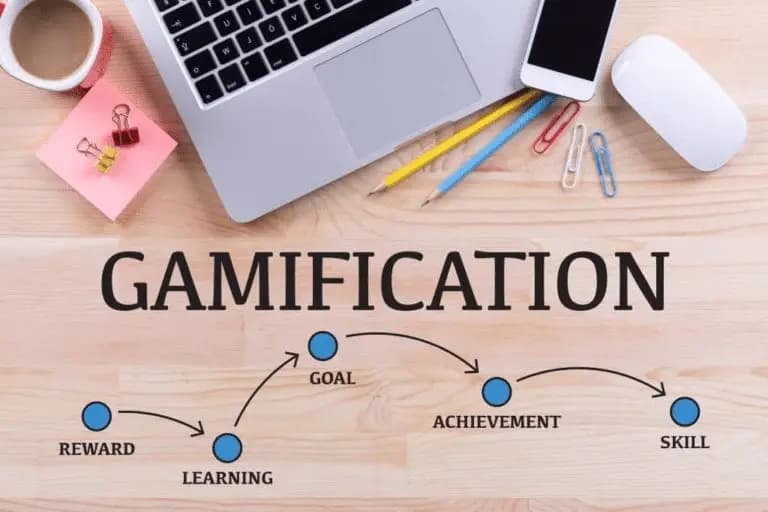
Did you know that businesses using gamification techniques and a gamified platform with a rewards system can see a 50% boost in B2B sales performance? Gamification isn’t just for games; it’s a powerful tool to engage and motivate your sales team, reward users, and rate performance through an app. By integrating several ways gamification and gamification mechanics into your sales strategy, you can drive better results and increase productivity.
This blog post will dive into how you can leverage gamification to transform your B2B sales rate. From setting up challenges to rewarding achievements, these techniques are critical gamification elements designed to make work more engaging and fun. Stay tuned as we explore actionable tips and real-world examples, including a gamification strategy, to help you get started and have fun.
Key Takeaways
-
Set Clear Goals: Define specific, measurable objectives for your gamification strategy to ensure alignment with overall business goals.
-
Customize for B2B: Tailor gamification techniques to suit the unique needs and challenges of B2B sales environments.
-
Showcase Success Stories: Use real-life examples to demonstrate the effectiveness of gamification in improving sales performance.
-
Focus on Long-Term Relationships: Implement strategies that not only boost immediate sales but also foster long-lasting client relationships.
-
Demonstrate Value and ROI: Provide concrete data and evidence to show how gamification contributes to increased sales and a strong return on investment.
-
Offer Unique Solutions: Innovate and adapt gamification elements to offer distinctive solutions that set your business apart from competitors.
Understanding Gamification in Sales
Defining Gamification
Gamification uses game-like elements in non-game contexts. It makes tasks more engaging and fun. In sales, gamification involves adding challenges, rewards, and competition.
Application in B2B Sales
Sales gamification techniques help enhance B2B sales performance. They make the sales process more interactive. Challenges motivate sales teams to achieve targets. Rewards provide incentives for good performance.
Game-Like Elements
Game-like elements include points, badges, and leaderboards. Points are earned for completing tasks. Badges recognize achievements. Leaderboards show top performers.
Motivation through Challenges
Challenges set clear goals for sales teams. These goals can be daily, weekly, or monthly. Completing challenges gives a sense of accomplishment.
Rewards as Incentives
Rewards can be monetary or non-monetary. Monetary rewards include bonuses and commissions. Non-monetary rewards include recognition and perks.
Difference Between B2B and B2C
Gamification in B2B focuses on long-term relationships. B2C aims at quick sales and customer satisfaction. B2B objectives are about building trust and loyalty.
Objectives in B2B Contexts
In B2B, the goal is to create lasting partnerships. Sales gamification strategy helps in achieving this by keeping the team motivated.
Outcomes in B2B Contexts
Effective sales gamification strategies lead to higher engagement. Teams become more productive. Customer relationships improve over time.
Tools and Platforms
Gamified sales platforms like Salesforce Trailhead offer training modules. These modules teach new skills through interactive lessons.
Setting Clear Goals
Clear Objectives
Setting clear objectives is crucial. Goals should be specific and measurable. This ensures everyone understands what they need to achieve. For instance, a goal could be increasing sales by 10% in three months.
Clear objectives help align gamification efforts with business outcomes. They provide direction and purpose. Without them, it’s hard to measure success.
Tasks and Quests
Gamification often involves tasks or quests. These are smaller goals that lead to the main objective. Breaking down goals into tasks makes them more manageable. Sales teams can focus on completing one task at a time.
Quests can also build confidence. Completing each quest gives a sense of accomplishment. This motivates the team to keep going.
Score and Points
Using scores and points can track progress. Assigning points for each completed task helps monitor achievements. It also adds an element of competition.
Scores give transparency to the process. Everyone knows where they stand. This can drive individuals to perform better.
Levels and Steps
Levels and steps are key components in gamification. Each level represents a milestone. Reaching higher levels shows progress over time.
Breaking down the process into steps makes it easier to follow. Each step leads closer to the goal. This method keeps the team engaged and focused.
Increase Confidence
Clear goals can increase confidence among sales teams. Knowing exactly what needs to be done reduces uncertainty. It helps individuals feel more in control.
Confidence grows with every completed task or quest. This positive reinforcement encourages continuous effort.
Best Practices
There are best practices for setting goals in gamification:
-
Make goals specific and measurable.
-
Break down larger goals into smaller tasks.
-
Use points and scores for tracking progress.
-
Celebrate achievements to boost morale.
-
Adjust goals as needed based on performance.
By following these practices, businesses can enhance their gamification strategies.
Customizing Strategies for B2B
Tailored Approaches
Customizing gamification strategies is essential in B2B sales. Each business has unique needs and challenges. A one-size-fits-all approach won’t work. Sales teams must design games that fit specific client profiles.
For instance, a tech company might focus on product knowledge. They could create quizzes that reward employees for their expertise. A logistics firm might prioritize customer service skills. Their game could involve solving customer issues quickly.
Addressing Pain Points
Customization helps address specific pain points in B2B sales. Many businesses struggle with long sales cycles. Gamification can shorten these cycles by making tasks more engaging.
One example is setting up leaderboards. Sales reps compete to close deals faster. Another method is offering tiered rewards for reaching milestones. This keeps the team motivated throughout the sales process.
Increasing Engagement
Customized gamification increases engagement among sales teams. Generic games often fail to capture interest. Tailored challenges resonate more with employees’ daily tasks.
A manufacturing company might use simulations of real-world scenarios. Employees earn points by making strategic decisions. This not only engages them but also improves their problem-solving skills.
Effective Rewards
Rewards are crucial in gamification. Customizing these incentives makes them more appealing. In B2B settings, rewards should align with professional goals.
For example, offering advanced training sessions as prizes can be effective. These sessions help employees improve their skills while feeling rewarded. Another option is providing networking opportunities with industry leaders.
Real-World Examples
Many companies have successfully implemented customized gamification strategies. Salesforce, for instance, uses a platform called “Trailhead”. It offers personalized learning paths for its employees.
IBM created a game called “Innov8”. It simulates business processes and challenges employees to improve them. These examples show how customized gamification can drive success in B2B environments.
Role of Analytics
Analytics play a significant role in customizing gamification strategies. Data helps identify what works and what doesn’t. Companies can track engagement levels and adjust their approaches accordingly.
For example, if a particular challenge isn’t popular, it can be modified or replaced. Continuous improvement ensures that the gamification strategy remains effective and engaging.
Aligning with Business Objectives
Supporting Goals
Gamification should support overarching business goals. These goals might include revenue growth or market expansion. By focusing on these objectives, gamification can drive meaningful results.
Businesses need to identify key performance indicators (KPIs). KPIs help measure the effectiveness of gamification strategies. For instance, tracking sales figures before and after implementing a gamified approach can show its impact.
Integrating Systems
Integrating gamification with existing sales processes is essential. This ensures that new strategies do not disrupt established workflows. Sales teams should find the gamified elements easy to use.
Existing customer relationship management (CRM) systems can incorporate gamification features. This integration allows seamless data flow and better tracking of sales activities. It also helps in maintaining consistency across various platforms.
Adding Value
Alignment with business objectives ensures gamification adds value. Without alignment, gamification might become a distraction rather than a benefit. Businesses must ensure that each game element has a clear purpose.
For example, offering incentives for meeting sales targets can motivate employees. However, these incentives should align with broader company goals. This way, gamification drives both individual and organizational success.
Enhancing Motivation
Gamification can enhance motivation among sales teams. By setting clear targets and rewards, employees feel more driven to achieve their goals. This increased motivation leads to higher productivity and better results.
Certification programs can be gamified to encourage continuous learning. Employees earn badges or points for completing training modules. This not only boosts knowledge but also supports career growth.
Improving Customer Satisfaction
Customer satisfaction is crucial for business growth. Gamification can improve customer interactions by making them more engaging. For instance, sales representatives might earn points for positive customer feedback.
By aligning gamification with customer satisfaction goals, businesses ensure a better overall experience. Happy customers are more likely to return and recommend the company to others.
Strategic Approach
A strategic approach is vital for successful gamification. Management should provide clear guidance on how to implement these techniques effectively. Regular reviews and adjustments help keep the strategy aligned with business objectives.
Businesses should consider the target audience when designing gamified elements. Different teams may respond differently to various incentives and challenges. Tailoring the approach ensures maximum engagement and effectiveness.
Showcasing Success Stories
Leaderboards Boost Performance
Leaderboards have proven effective in enhancing B2B sales performance. A software company used leaderboards to track sales achievements. Sales teams competed to top the leaderboard each month. This competition drove them to exceed targets consistently.
Sales increased by 25% within six months. Teams felt motivated to improve their rankings. The leaderboard displayed real-time progress, which kept the competition alive.
Skills Development
A large tech firm implemented gamified training modules. These modules focused on developing sales skills. Employees earned badges for completing different levels of training.
The badges represented mastery in specific areas, like negotiation and client handling. Knowledge sharing became a norm as employees sought advice from badge holders. This initiative led to a 30% increase in successful client pitches.
Champions Program
A financial services company started a Champions Program. Top performers were recognized as “Sales Champions.” These champions received exclusive rewards and recognition.
Their stories were shared across the organization. Achievements of these champions inspired others to improve their performance. The program resulted in a 20% boost in overall sales outcomes.
Real-Time Feedback
An international logistics company introduced real-time feedback through gamification. Sales reps received instant feedback on their performance. They could see how their efforts translated into results.
This immediate feedback loop helped them adjust strategies quickly. As a result, the company’s sales metrics improved by 22%. Reps appreciated seeing the direct impact of their actions.
Competitions Drive Excellence
Competitions are another effective gamification technique. A marketing agency organized quarterly sales competitions. Teams competed to achieve the highest sales numbers.
Winners received significant incentives, including trips and bonuses. These competitions fostered a culture of excellence and friendly rivalry. The agency saw a 35% rise in sales performance during competition periods.
Client Engagement
Gamification also improved client engagement for a consulting firm. They created interactive challenges for clients during workshops. Clients earned points for participation and correct answers.
This approach made sessions more engaging and informative. Clients retained more information and applied it effectively in their businesses. The firm’s client satisfaction scores increased by 28%.
Progress Tracking
A telecommunications company used gamification to track sales progress visually. Sales reps had dashboards showing their targets and achievements.
Seeing their progress in real-time encouraged them to push harder towards goals. This visual tracking led to a 15% increase in meeting quarterly targets.
Offering Unique Solutions
Innovative Techniques
Gamification can transform B2B sales strategies. Innovative techniques like point systems and leaderboards motivate sales teams. These methods make routine tasks more engaging.
Sales teams can use gamified platforms to track progress. This keeps them focused on goals. It also fosters healthy competition among team members.
Lead Generation
Generating leads is a common challenge in B2B sales. Gamification offers creative solutions to this problem. For instance, companies can use quizzes and contests to attract potential clients.
Interactive content engages prospects. It encourages them to share information willingly. This makes lead generation more effective and less intrusive.
Conversion Rates
Improving conversion rates is crucial for any business. Gamification helps by making the sales process interactive. Sales reps can use gamified tools to present products and services.
These tools make presentations more dynamic. They hold the prospect’s attention longer. This increases the chances of closing deals.
Engaging Experiences
Offering unique, engaging experiences is vital for sales teams. Gamification provides this by turning mundane tasks into exciting challenges. Sales reps feel more motivated and invested in their work.
Engaged employees are more productive. They are also more likely to stay with the company longer. This reduces turnover and training costs.
Differentiation in Marketplace
In a competitive B2B marketplace, differentiation is key. Companies that use gamification stand out from the crowd. They offer unique solutions that other businesses may not provide.
Gamified platforms showcase a company’s expertise and creativity. This attracts clients looking for innovative partners. It also builds a strong brand reputation.
Valuable Insights
Gamification provides valuable insights into sales performance. Companies can track metrics like engagement levels and task completion rates. These insights help in refining strategies and improving results.
Data collected through gamified tools is precise and actionable. It allows for better decision-making processes.
Customer Service
Good customer service is essential for retaining clients. Gamification can enhance customer interactions by making them more enjoyable. For example, support teams can use game-like elements to solve issues faster.
This improves client satisfaction and loyalty. Happy customers are more likely to recommend your services to others.
Building Long-Term Relationships
Customer Engagement
Gamification techniques help foster customer engagement. These techniques keep clients actively involved. They can participate in fun activities and challenges. This regular interaction builds stronger connections.
For example, a company might create a leaderboard. Clients earn points by completing tasks. This keeps them coming back and staying engaged. Continuous engagement helps build lasting relationships.
Trust and Collaboration
Gamification also builds trust between B2B partners. Partners collaborate on tasks and challenges. This fosters a sense of teamwork and mutual respect. Collaborative efforts lead to better outcomes for both parties.
One effective method is joint projects. Partners work together to achieve common goals. This collaboration strengthens the bond between them. It also ensures both sides benefit from the partnership.
Loyalty Programs
Loyalty programs are crucial in gamification. They reward customers for their commitment. Points, badges, or other incentives encourage repeat business. These rewards make customers feel valued and appreciated.
For instance, a company could offer exclusive deals to loyal clients. These deals might include discounts or special access to new products. Such loyalty programs enhance customer loyalty and ensure long-term partnerships.

Skill Development
Gamification can also focus on skill development. Companies might offer training modules as part of their gamified system. Clients learn new skills while earning rewards. This benefits both the client and the business.
A training module could cover new industry trends or technologies. As clients complete these modules, they gain valuable knowledge. This makes them more confident in their interactions with the company.
Community Building
Building a community is another aspect of gamification. Creating forums or social platforms allows clients to interact with each other. They share insights, tips, and experiences, fostering a sense of belonging.
For example, a company might host online events or webinars. Customers can join these events to learn and network with others. Community engagement strengthens the overall relationship with the brand.
Communication Channels
Effective communication is key in any relationship. Gamification can improve communication channels between businesses and their clients. Regular updates, feedback loops, and interactive content keep the conversation going.
A company might use surveys and polls to gather client feedback. This information helps improve services and products based on customer needs. Open communication builds trust and ensures continuous improvement.
Demonstrating Value and ROI
Measuring Impact
Use specific metrics to measure the impact of gamification on sales performance. Track sales growth before and after implementing gamification. Compare these numbers to see any positive changes.
Collect valuable data on employee engagement. Measure participation rates in gamified activities. Higher engagement often leads to better sales results.
Analyze customer feedback. Look for improvements in customer satisfaction scores. Happy customers usually indicate effective sales techniques.
Tangible Benefits
Show tangible benefits to secure buy-in from stakeholders. Highlight increased sales numbers and improved customer satisfaction as direct results of gamification.
Provide examples of successful campaigns. Share stories where gamification led to significant gains. Real-life examples help convince others of its effectiveness.
Offer tangible recognition to employees. Rewards like bonuses or public acknowledgment can motivate staff. Recognized employees are more likely to support gamification efforts.
Continuous Evaluation
Continuously evaluate the effectiveness of gamification strategies. Regularly review key performance indicators (KPIs). Adjust tactics based on what works best.
Gather feedback from employees and customers. Use surveys or interviews to understand their experiences. Fine-tune the approach based on this input.
Stay updated with industry trends. Adapt new techniques that may enhance the current system. Keeping the strategy fresh ensures it remains effective.
Maximizing Value
Focus on maximizing the value of gamification initiatives. Align the goals with broader business objectives. Ensure that every activity contributes to overall success.
Invest in training for employees. Equip them with skills needed to excel in a gamified environment. Well-trained staff can better leverage these tools for higher performance.
Monitor the ROI closely. Calculate the returns against investments made in gamification tools and rewards. A high ROI justifies continued investment and expansion of such programs.
Advantages of Gamification
Increased Engagement
Gamification techniques boost engagement among sales teams. By incorporating game-like elements, employees become more involved in their tasks. Sales reps often feel motivated to achieve higher scores or unlock rewards. This leads to a more dynamic and interactive work environment.
Enhanced Productivity
Using gamification can significantly enhance productivity. Sales professionals are driven by goals and milestones. They focus on completing tasks efficiently to earn points or badges. This competitive spirit fosters a sense of urgency and commitment.
Improved Satisfaction
Gamification strategies lead to higher job satisfaction. Employees enjoy the process of achieving and being rewarded. They feel recognized and valued, which improves morale. Happy employees are more likely to perform well and stay with the company longer.
Competitive Advantage
Effective gamification strategies provide a competitive edge. Companies that implement these techniques often see better results compared to those that don’t. They attract top talent who thrive in engaging environments. This advantage helps in outperforming competitors.
Versatility of Gamification
Gamification is adaptable to various sales environments. Whether a company deals with software, hardware, or services, gamification can be tailored to fit different needs. Sales objectives can be aligned with game mechanics to ensure relevance and effectiveness.
Driving Results
Successful gamification initiatives drive tangible results. Companies report increased sales, better customer interactions, and improved team performance. Metrics often show significant improvements after implementing gamification solutions, proving its efficacy.
Key Elements
Vital gamification elements include points, leaderboards, and challenges. These components encourage continuous participation and improvement. Employees strive to climb leaderboards, complete challenges, and accumulate points, fostering a productive competition.
Summary
You’ve seen how gamification can supercharge your B2B sales. By setting clear goals, customizing strategies, and aligning with business objectives, you can create a winning formula. Real-life success stories and unique solutions highlight the potential. Building long-term relationships and demonstrating value solidify these techniques’ advantages.
Ready to boost your sales performance? Start implementing these gamification strategies today. Show your team the power of fun and engagement in driving results. Don’t wait—transform your approach and see the ROI soar. Dive deeper into gamification and make your sales game stronger than ever!
Frequently Asked Questions
What is gamification in sales?
Gamification in sales uses game elements like points, leaderboards, and rewards to motivate sales teams. It makes tasks engaging and boosts performance.
How can setting clear goals enhance B2B sales?
Clear goals provide direction and focus for sales teams. They help measure progress and ensure alignment with business objectives.
Why is customizing strategies important for B2B?
Every business is unique. Customizing strategies ensures that gamification aligns with specific needs, improving effectiveness and engagement.
How does gamification align with business objectives?
By integrating game mechanics into sales processes, it drives behaviors that support key business goals, such as increased revenue or customer acquisition.
Can showcasing success stories improve gamification efforts?
Yes, sharing success stories motivates employees by demonstrating achievable results. It also builds trust in the gamification process.
What are the advantages of gamification in B2B sales?
Gamification boosts motivation, enhances engagement, improves performance, and provides measurable ROI. It transforms mundane tasks into exciting challenges.
How do you demonstrate the value and ROI of gamification?
Track key metrics like sales performance, employee engagement, and revenue growth. Use data to show improvements directly linked to gamification efforts.